


Royal Game Casino is an online casino operator, and this homepage is where the essential questions begin: what games are available, how bonuses work in practice, which banking methods are offered, and what is the withdrawal speed? We approach casino gameplay as a list of criteria rather than a sales pitch. The best experience is not simply the loudest welcome offer or the longest game grid; it is the mix of fair terms, clear limits, reliable banking, mobile comfort and games that suit your style. In this guide we explain what to inspect before you register, what to evaluate in the lobby, and which details merit a second look before you invest real money.
Begin With the Game Lobby, Not the Banner
The first thing we inspect at Royal Game Casino is the lobby structure, since a polished banner tells you little about daily play. A useful lobby lets you filter by category, provider, volatility, bet range and feature type without hunting through endless rows. We look for clear labels on slots, table games, live dealer rooms, instant-win titles and specialty games, as well as a search function that provides sensible results. The lobby ought to indicate whether a game can be tested in demo mode and whether the bet limits are visible before launch. If you require three clicks to locate the terms or the game rules, that represents a friction point worth noting before you deposit.
Slot Variety and Volatility
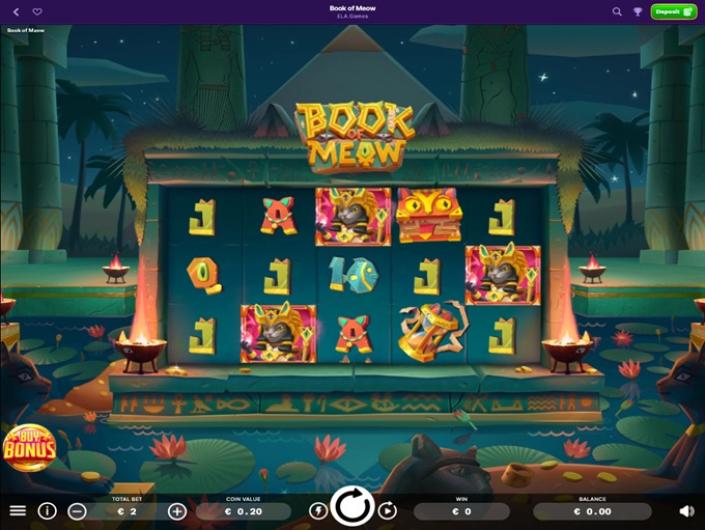
Slots are generally the most extensive category, so we assess whether the mix includes more than one style of play. Look for classic three-reel games, five-reel video slots, Megaways-style titles, cluster-pay games and jackpot options should those matter to you. Volatility is just as important as theme: low-volatility slots often yield smaller, more frequent wins, while high-volatility games might go long stretches without a payout. We also contrast minimum and maximum bets, autoplay rules, bonus-buy availability and whether the paytable is reachable from the game screen. A large game count is not automatically better; a well-curated selection with clear information helps you choose a slot that matches your budget and patience.
Table-Based Games and Live Gaming
Fans of table games need different signals. We check whether blackjack, roulette, baccarat and poker variants list their rules, house edge and betting limits prior to release. For blackjack, review deck count, dealer stands or hits on soft 17, double-down rules and surrender options; for roulette, verify whether it is European, French or American, because the zero layout affects the odds. Live casino is a separate test: we look for clear dealer schedules, table limits, video quality and whether chat is moderated. A live lobby with a few well-run tables is frequently more useful than a crowded room with unclear limits. If you prefer low-stakes play, ensure that affordable tables are available at peak times, not only during quiet hours.
Crash-Style Games, Instant-Win Games and Specialty Games
Aviator-style, mines, plinko-style games and instant-win titles attract players who want quick rounds and easy decisions. We review the maximum payout, the provable-fairness mechanism and whether the result history is displayed in the game. These formats can feel relaxed, but the house edge still applies, and rapid rounds can boost spending if you are not setting session limits. We also confirm whether the rules are explained in clear language and whether the game shows the potential multiplier before you place a bet. Specialty games should not be hidden behind vague icons; they need the same clearness as slots and table games. If a title feels confusing in demo mode, pass on it rather than learning with real money.
Rewards That Suit Real Play
Rewards are aspect of casino gameplay, but we handle them as a tool with terms rather than complimentary money. At Royal Game Casino, as with any establishment, the merit of an promotion depends on the wagering requirement, the time restriction, the eligible games and the maximum bet authorized while a bonus is live. A headline percentage can look generous while a low share rate on your favourite game makes it unfeasible. We evaluate the bonus stipulations with the way we actually play: if you choose live blackjack, a slot-weighted bonus may not suit you. The right approach is to review the promotion page, calculate the realistic playthrough, and decide whether the extra funds help or simply lock your balance.
Welcome Offers and Current Promotions
Sign-up offers usually feature a bonus match with complimentary spins or credit bonus, while current offers may offer reload offers, cashback, tournaments or fidelity bonuses. We seek a clear summary of each element: minimum deposit, maximum bonus, value per spin, expiry date and games that qualify. A lesser package with equitable rules can be more beneficial than a huge deal that needs hours of high-risk gaming. We also check whether offers are optional and whether the online venue displays your remaining wagering progress inside the profile. For players from the Netherlands, it is highly significant to verify that any deal follows local rules and that the terms are presented in Nederlands or clear English. If a bonus has no obvious terms link, we do not trust the banner promise.
Betting, Deadlines and Game Weighting
Reviewing the Details Before Signing Up
Wagering requirements show how much you have to bet before bonus winnings can be claimed. A common structure is a factor of the bonus amount, but some offers employ the bonus plus deposit, so we read the formula rather than the headline number. Game weighting matters too: slots often are fully weighted, while table games and live casino may contribute a small percentage or nothing at all. Time limits can vary from a few days to several weeks, and expired bonus funds are usually removed. We also verify the maximum bet rule, because exceeding it can cancel a bonus. These details are not fine print for lawyers only; they dictate whether an offer is viable for your budget and schedule.
Before claiming any promotion, we access the full terms and scan five items: eligibility, minimum deposit, wagering formula, expiry and maximum bet. We also verify whether winnings from free spins are paid as cash or bonus credit, and whether the bonus is locked or can be cashed out with your own funds. The terms should state which games are excluded and how much each category contributes. If a promotion requires a specific payment method, that detail belongs in the summary, not hidden in a footnote. We compare the offer with our session budget and walk away if the playthrough would force stakes we would not normally set. A bonus should support your gameplay, not control it.
Help, Policies and Impartiality Instruments
Help quality is simpler to assess before a dispute. We check live chat with a simple question about payout times and note whether the response is detailed or reused from a help page. We check whether support is provided in English and Dutch, what schedule it covers and whether email responses include a ticket number. A good help centre details verification, bonus rules and payment limits without compelling us to start a chat. We also seek a named complaints procedure and an secondary dispute-resolution path. Fast answers are welcome, but correct answers carry more weight. If support cannot articulate a fundamental cashier rule, we reduce our confidence in the entire operation.
Information Pages and Complaint Channels
Help pages should be findable and drafted in clear language. We search for separate articles on deposits, withdrawals, bonus wagering, account verification and responsible play, each with images or sequential notes where helpful. The pages should specify processing times and limits without obscuring behind phrases such as “may vary.” We also verify whether the FAQ answers correspond to the terms and conditions; discrepancies are a red flag. If a help page was last revised years ago, we consider some details may be obsolete. Explicit self-service information minimizes the need for chat and offers us a written record of the casino’s published rules before we arrive at a decision.
Gameplay Rules and Fairness Tools
Fairness tools are part of gameplay, not a compliance footnote. We check whether game rules, return-to-player percentages and volatility information are available before play, and whether provably fair titles release a verification method we can follow. For slots, we look for the paytable, bet lines and maximum win; for table games, we confirm the rule variations that change the house edge. We also examine whether the casino links to independent testing or auditing information. None of this assures a win, but it shows whether the operator regards players as adults who merit clear information. If the numbers are unavailable, we assume the game is not prepared for a careful session.
Licences, Security and Fairness
Regulation and security are not abstract badges; they shape how complaints are managed and what safeguards you can count on. We check the footer and legal pages for the operator’s licence information, the regulator’s identity and a licence identifier that can be confirmed independently. For players in the Netherlands, local regulations are strict, so we ensure that the casino is permitted to serve Dutch customers and that age and identity verifications are upheld. We also look for SSL encryption on account and payment pages, clear privacy data and a displayed responsible-gambling policy. A casino that conceals these details or uses unclear language about its jurisdiction is not a good foundation, regardless of how attractive the lobby looks.

Understanding a Licence for Players
A licence is a authorisation to operate, registreren Royal Game Casino NL, but it is also a channel to recourse when something malfunctions. We check which regulator issued the licence, what dispute-resolution authority is mentioned, and whether the casino provides a complaints procedure that does not rely only on internal support. The licence should match the market you are based in; a badge from another jurisdiction does not automatically protect Dutch players. We also seek visible age verification, self-exclusion links and clear information about how player funds are safeguarded. If the legal pages are hard to locate or the licence number cannot be confirmed, we consider that as a warning sign rather than a minor design flaw.
Account Security and Account Protection
Security protocols should show up before they become urgent. We look for two-factor authentication, login alerts, session timeouts and a clear process for changing a password or registered email address. The cashier and account pages should utilise HTTPS, and the privacy policy should clarify what data is stored, why it is necessary and how long it is held. We also check whether the casino permits us to limit deposits, losses or session time before a problem arises, not only after a request to support. A secure account is not just about encryption; it is about providing players practical controls and describing how those controls work. If these settings are buried, we note the extra friction.
Financial Transactions, Caps and Settlement Times
Financial operations is where a casino’s actual reliability stands out. We review the payment options for deposits and withdrawals listed for Netherlands players, the lowest and highest limits, and if charges are stated before confirmation. Funding are typically instant with options such as iDEAL, cards or e-wallets where available, while cash-outs can be slower because of internal checks and payment-provider processing. We look for a clear table or page that specifies projected wait times rather than vague promises. It is also important to confirm whether the casino supports the method you use for both deposits and withdrawals, because some operators allow a deposit method that is ineligible for cash-out. Quickness matters, but dependability and clarity are more crucial.
Pay-ins: Methods and Velocity
Payments should be simple, rapid and clearly priced. We seek a provider that shows the payment options, minimum deposit, any charge and the processing speed before we confirm. Typical choices in the local scene can include iDEAL, debit or credit cards, bank transfers, e-wallets and vouchers, but availability varies by operator and user level. We steer clear of taking for granted that every icon on the homepage means the method is functional for every member. It is also useful to confirm whether payments can be limited or prevented through safe-gaming controls. If a deposit exceeds the usual time, the operator should detail the progress and offer a transaction ID. Straightforward payment processes minimize mistakes and make the first session less stressful.
Payouts: Authentication and Processing Time
Withdrawals merit closer attention since this is the point at which identity checks, bonus conditions and payment limits meet. We anticipate the casino to confirm name, age, address and payment ownership before dispensing funds, and we ready documents in advance so the first cash-out is not delayed. Processing time usually has two parts: the casino’s internal review and the payment provider’s transfer time. E-wallets may be quicker than bank transfers, but exact timelines differ. We verify whether there is a pending period, a minimum withdrawal amount and any weekly or monthly cap. If a bonus is active, we ensure whether withdrawal is blocked until wagering is complete. A casino that clarifies these steps clearly is easier to have confidence in with larger balances.
- Confirm the withdrawal method is available for your account and aligns with your deposit where required.
- Undertake identity verification before submitting a cash-out to avoid a pending delay.
- Review minimum withdrawal amounts, fees and any weekly or monthly limits.
- Consult bonus terms if funds are active; wagering may need to finish first.
- Maintain payment receipts and account statements until the withdrawal is confirmed.
Mobile Gaming and Session Control
Mobile gaming is now standard for a lot of players, so we evaluate the casino on a phone before judging the desktop lobby. We examine whether the site loads without horizontal scrolling, whether buttons are sufficiently large to tap accurately, and whether the cashier works in portrait mode. Games should launch without forcing a separate app except if operator plainly describes the download and permissions. We also contrast the mobile game count with desktop, because some titles are quietly removed on smaller screens. A responsive layout is useful, but the real test is whether deposits, withdrawals and bonus progress stay easy to locate when we are playing on a commute or a small tablet.
Evaluating on Phone and Desktop
We perform the same short test on phone and desktop: open the lobby, search for a known game, launch a demo round, open the paytable and return to the cashier. That sequence reveals navigation problems that a homepage tour can hide. We note whether the game remembers our bet size, whether the screen rotates smoothly and whether live dealer video starts without too much buffering. On desktop, we check keyboard access and whether pop-ups block the game area. On mobile, we examine battery drain and data use during a ten-minute session. These details seem technical, but they determine whether a session feels smooth or frequently disrupted by small fixes.
Bankroll Limits and Time Tracking
Session control should be inside the account, not in a separate advice page. We search for deposit limits, loss limits, single-bet limits and reality checks that can be set in a few clicks. A useful reality check presents elapsed time and net spend without forcing us to leave the game. We also check whether limit reductions take effect immediately and whether increases require a cooling-off period. Time tracking is important because fast games can compress many decisions into a short period. We prefer tools that are visible during play and easy to adjust, rather than settings that require a support ticket. If the casino makes limits hard to find, we treat that as a design choice that works against the player.
